After more than two years of labour strife, postal workers have given the thumbs-up to a new contract, casting their ballots overwhelmingly to approve a tentative agreement that will boost their wages nearly 10 per cent in the first 24 months.
The union representing some 55,000 Canada Post employees said Monday that more than four in five members voted in favour of the five-year deal, which includes wage increases of 6.5 per cent and three per cent in the first two years.
Canada Post and the union have long sparred over wages and structural changes to the postal service, with workers taking to the picket line repeatedly throughout the bargaining process. Both sides agreed not to launch any strikes or lockouts while the six-week ratification vote took place.
About 60 per cent of the union board endorsed the proposed collective agreement, saying it ensures job security, but the union’s president had asked members to reject it, arguing it rolls back rights and compensation.
“We still have our work cut out for us,” said president Jan Simpson in a bulletin to members Monday.
“To win the fights ahead, prepare for the next round of bargaining and mobilize against the government’s attacks on our public postal service, we all have to regroup and unite in our struggle.”
In a statement, Canada Post CEO Doug Ettinger said the new deal offers stability and a path to “restore confidence in the postal system.”
“While the process was challenging, these negotiated agreements recognize that Canada Post needs to change,” he said.
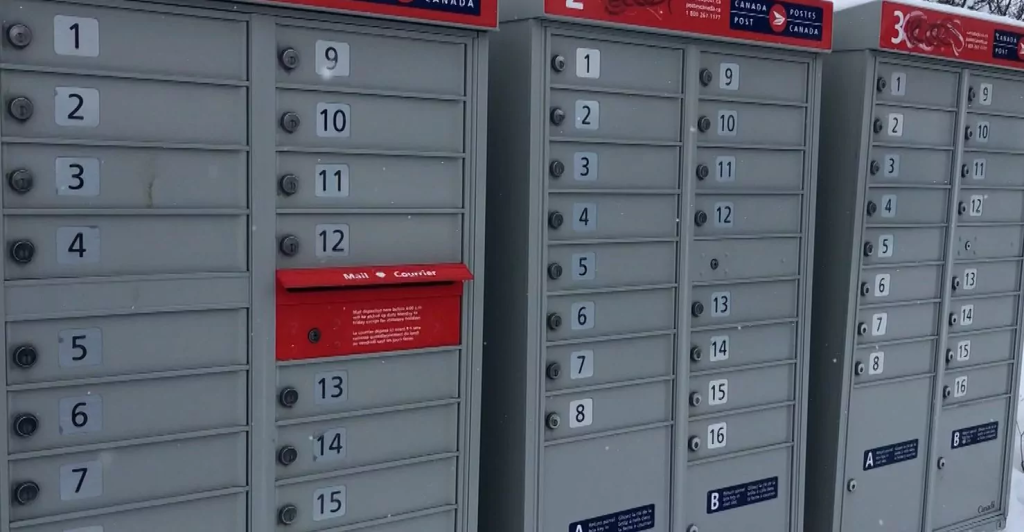
Amid declining letter demand and stiff competition for parcels, the Crown corporation has pledged to modernize through reforms that include more community mailboxes, weekend parcel delivery and possible post office closures.
The contract means the two sides have cleared a major hurdle that had disrupted service and hurt business since 2024, said Ian Lee, an associate professor at the Sprott School of Business at Carleton University.
“In the short run, it’s enormously beneficial,” he said. “They have had so much instability and unreliability in the last two or three years.”
Longer term, the same structural challenges remain, especially plummeting letter volumes.
The average Canadian household received two letters per week last year, down from seven in 2006. Yet the postal union counts slightly more members now than it did 20 years ago, Lee noted.
“Young people aren’t going to suddenly say, OK, I’m going to give up my cellphone and I’m going to write my dear grandmama letters each week,” he said.
The other issue is competition for parcel delivery. While the market for packages has boomed in recent years, Canada Post’s shipments have shrunk — by nearly a quarter between 2020 and 2023, and by another 33 per cent last year alone, according to a pair of annual reports.
The Crown corporation said a month-long strike in the lead-up to the 2024 winter holidays and “continued labour uncertainty” in its wake caused the plunge in 2025, as Amazon and other competitors seized on rising demand for next-day doorstep deliveries.